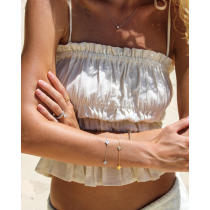
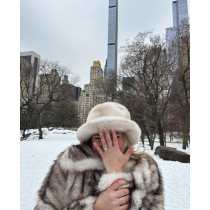
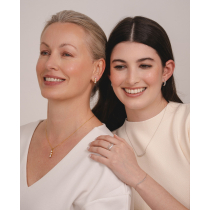
For those looking to add a splash of colour to their jewellery collection, coloured gemstones make for a great choice. From the regal sapphire to the enchanting emerald, there are plenty of precious stones to choose from. Either paired with diamonds for dramatic effect or simply worn alone, jewellery adorned with gemstones have long been favoured.
Before searching for your dream piece of gemstone jewellery, take some time to do your research to ensure you get the best value for your budget.
Sapphires, in fact, come in a large spectrum of colours (apart from red) - not only the blue type that we more commonly know. When we refer to a sapphire, it tends to describe a blue sapphire. However, when it comes to other colours, they are known as pink sapphire, yellow sapphire, and so on.
The most important aspect when estimating the value of sapphires is colour. They get their signature colour from traces of chromium, iron and titanium, as well as other key elements. Sapphires with a pure blue hue are deemed the most desirable and those seen with vivid saturation are considered high quality gems. Likewise, sapphires that appear to be darker are deemed less desirable and, therefore, less valuable.
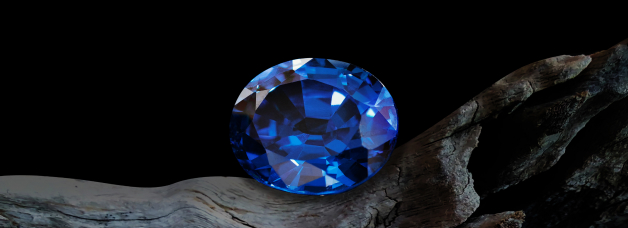
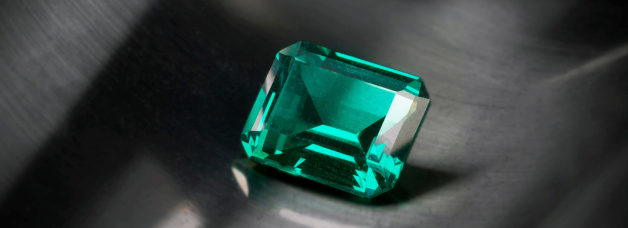
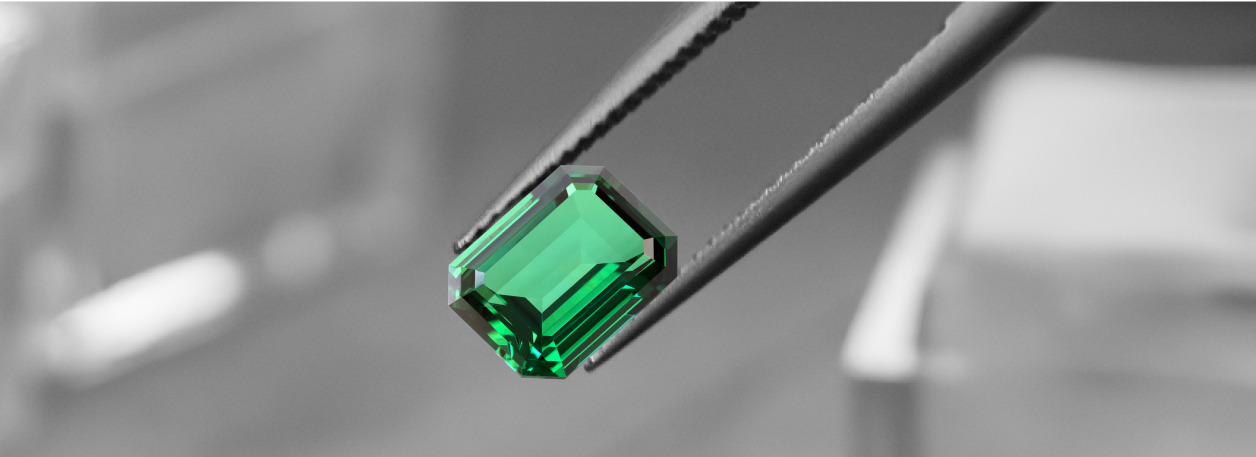
The most desirable emeralds are those that appear saturated and bright, with a bluish-green to green hue. Like most other gemstones, colour is one of the most important factors used to determine the value. The most desirable emeralds are those that are highly transparent with a nice, even colour throughout the entire gem.
Like most coloured gemstones, an emerald’s clarity is graded by eye. It is expected that an emerald will have numerous inclusions or surface breaking fissures, so an emerald without any visible inclusions to the eye (flawless) is considered very rare. This is why most emeralds are treated in order to enhance their hue and improve their clarity.
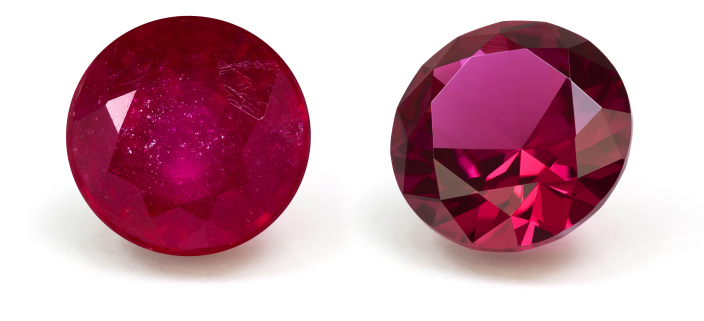
Did you know that rubies and sapphires are the same mineral? They are both a variety of the mineral corundum, however, the colour is what sets the two gemstones apart. A sapphire is blue due to small traces of titanium and iron, whereas a ruby gets its beautiful red hue as a result of high levels of chromium.
Like other coloured gemstones, colour is considered the most important aspect and inclusions are to be expected. Rubies with a vivid, medium-dark red to a slightly purplish-red hue are considered the most desirable. Those that are deemed to have a superb colour and appear ‘eye clean’ tend to be higher in price.
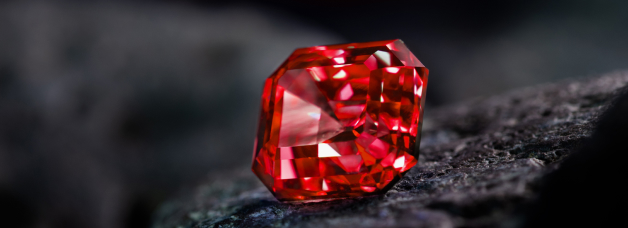
Diamonds come in a spectrum of colours, not just the colourless variety that we know and love. Yellow diamonds are one of the most desired coloured diamonds and can command prices just as high, if not higher, than the colourless type.
Diamonds that are found at the bottom of the colour grading scale for colourless diamonds actually contain traces of yellow. These faintly yellow coloured diamonds also appear at the bottom of the yellow diamond colour grading scale. The yellow diamond colour grading scale falls within the Y-Z range and finishes at the fancy deep/ dark yellow grade. It is thought that yellow diamonds that are more vibrant and richer in colour are more desirable, however, this is personal preference.
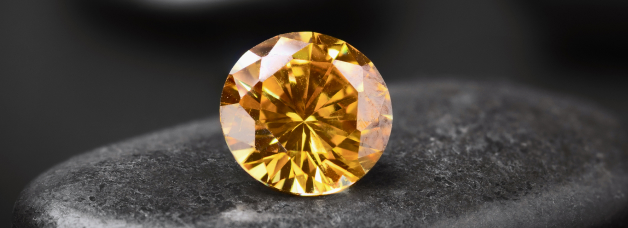
Colour is deemed the most important factor to consider and a gemstone is assessed based on depth of tone, saturation and hue. The Gemological Institute of America (GIA) created a colour grading system to assess all coloured gemstones which consists of 31 hues that range from red to brown, with gradations such as very strong greenish blue and slightly yellowish green. Certain hues are considered more sought-after and valuable than others. For example, a sapphire in the velvet-blue to violet-blue range is seen as desirable and, therefore, tends to be more expensive. The tone of a gemstone refers to how light or dark it appears, this can also affect the overall hue. A gemstone considered too light or too dark will be deemed less desirable and, therefore, less valuable.

Clarity is defined in the same way for gemstones as it is for diamonds. It refers to the number of flaws in any given gemstone, whether that be internally (inclusions) or externally (blemishes). It is important to note that finding a flawless coloured gemstone is rarer than finding a flawless diamond, this is because of the violent process by which they have created. For this reason, you can expect that your gemstone jewellery may have some inclusions. If this bothers you, darker gemstones disguise flaws better than lighter ones.
The GIA use categories to grade the clarity of coloured gemstones. These are known as Type I, Type II and Type III.
Type I - This is considered the best clarity grading and means that inclusions are unnoticeable to the untrained eye. Gemstones graded as Type I have been formed under normal geological conditions.
Type II - Inclusions are slightly more noticeable for this grading. Gemstones that have been graded as Type II have been formed under more severe geological conditions.
Type III - Here inclusions can be quite noticeable. Gemstones graded as Type III have typically been formed under very violent geological conditions.
For coloured gemstones, there isn’t necessarily an ideal cut. The cutter generally assesses each stone individually and cuts around any flaws that may be visible to the naked eye. In fact, a cut that is more desirable is one that enhances the natural beauty of the given stone by reflecting light in an even manner. As a result of this cutting process, coloured gemstones come in a variety of different sizes and shapes.
Almost every coloured gemstone has been enhanced now, using a variety of techniques, in order to improve their overall appearance. Coloured gemstones that naturally have a desirable clarity and colour are seen as very rare and therefore more expensive. There are a number of methods that can be used to treat and enhance coloured gemstones, most of which have been practised for centuries and are widely used and accepted within the industry.
Still have questions? Our experts are here to assist you.